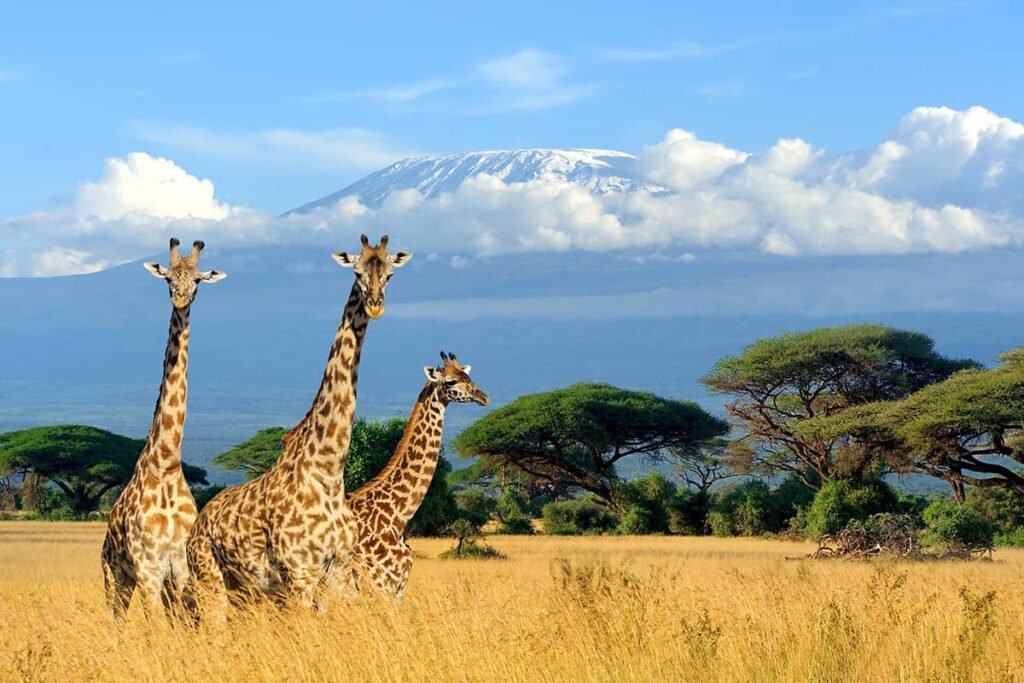
While the provided safari booking documents focus on professional wildlife services in Sri Lanka, the loss of living space for giraffes is a critical global conservation issue. Based on general wildlife knowledge and the context of habitat preservation discussed in the professional services, here is an overview of why giraffes are losing their living space:
Agricultural Expansion: Large areas of natural savannas and woodlands are being converted into farmland to meet the food demands of growing human populations.
Infrastructure Development: The construction of roads, fences, and pipelines cuts through giraffe territories, preventing them from moving freely to find food or mates.
Deforestation: The clearing of trees for timber and charcoal production destroys the primary food source (acacia leaves) for giraffes.
Competition for Resources: As natural habitats shrink, giraffes often venture into farmlands, leading to conflicts with farmers who are protecting their crops.
Restricted Movement: Human settlements create barriers that trap giraffe populations in small, isolated pockets of land, which can lead to overgrazing and genetic issues.
Population Decline: Unlike more high-profile animals, the giraffe’s decline was often overlooked by the public for years, leading conservationists to call it a “silent extinction.”
Numbers in the Wild: Giraffe populations have plummeted by roughly 30-40% over the last three decades due to these combined threats.
Protecting these spaces requires a professional and organized approach to wildlife management. Key efforts include:
Professional Naturalist Support: Utilizing experts—such as the naturalists included in safari packages —to educate the public on the importance of maintaining natural ecosystems.
Habitat Restoration: Working to reconnect fragmented lands so wildlife can move safely between protected areas.
Sustainable Observation: Engaging in responsible wildlife viewing, like the private safari tours mentioned in the documents, which provide economic incentives for local communities to protect their natural surroundings rather than convert them for other uses.